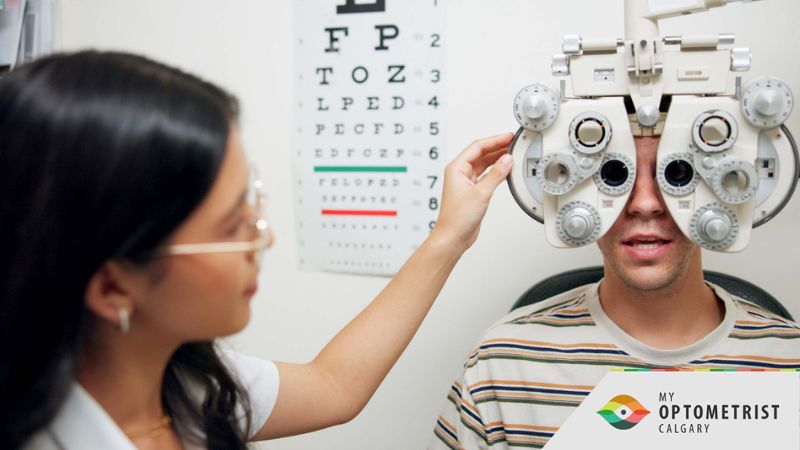
Clear vision is only one part of maintaining healthy eyes. Ocular wellness takes a broader approach by looking at eye comfort, function, tear health, and changes that may develop even when your vision still seems normal. Comprehensive eye care can help assess important structures within the eyes while also identifying concerns related to dryness, eye strain, inflammation, pressure, and overall ocular health.
Regular examinations also create an opportunity to establish a baseline and monitor changes associated with age, lifestyle, medications, family history, and certain health conditions. At My Optometrist ocular wellness is supported through comprehensive eye care and advanced services designed to protect both everyday visual comfort and long-term eye health. Taking a preventative approach can help patients understand their eyes more fully while allowing an optometrist to monitor changes, address concerns earlier, and support long-term eye health and comfort.
UNDERSTANDING THE BIGGER PICTURE OF OCULAR WELLNESS
Clear eyesight is often the first thing people think about when considering their eye health. If road signs are easy to read, computer screens look sharp, and there is no obvious difficulty seeing up close or far away, it can be tempting to assume the eyes are completely healthy. In reality, visual clarity represents only one part of a much larger picture. Ocular wellness considers how the eyes function, how comfortable they feel, and whether changes are developing within the eye that may not yet affect everyday vision.
A comprehensive eye examination looks beyond whether someone needs glasses or a new prescription. An optometrist may evaluate the cornea, lens, retina, optic nerve, tear film, eye pressure, focusing ability, eye coordination, and other structures that contribute to healthy vision. These assessments can provide information that would not necessarily be discovered through a basic vision screening.
This broader approach matters because some eye conditions can develop gradually. Changes affecting the retina or optic nerve may not immediately cause noticeable symptoms. A person may continue seeing clearly while an issue is beginning to develop. Regular eye examinations give an optometrist the opportunity to establish a baseline and compare findings over time.
Eye comfort is another important part of ocular wellness. Someone may technically see clearly while still experiencing dryness, burning, redness, watering, light sensitivity, headaches, or fluctuating vision. These symptoms can affect work, reading, driving, and screen use even when an eye chart suggests visual acuity is normal.
Common areas an optometrist may consider include:
- Vision
- Pressure
- Retina
- Nerves
- Tears
- Focusing
- Alignment
- Comfort
Modern lifestyles can place additional demands on the eyes. Long hours on computers, smartphones, tablets, and other digital devices may reduce blinking and contribute to eye fatigue or dryness. Heating and air conditioning can further reduce moisture in indoor environments, particularly during dry winter months.
Rather than considering these concerns separately, an ocular wellness approach looks at the entire visual system. The goal is to understand not only whether a patient can see clearly today, but also whether their eyes are comfortable, functioning efficiently, and showing signs that should be monitored.
HOW OVERALL HEALTH AND DAILY HABITS AFFECT YOUR EYES
The eyes do not function separately from the rest of the body. General health, medications, family history, work habits, nutrition, sleep, and environmental exposure can all influence eye health. This connection is one of the reasons ocular wellness takes a more comprehensive approach than simply checking a prescription.
Certain health conditions can produce changes within the eyes. Diabetes can affect the small blood vessels of the retina, while high blood pressure may influence retinal circulation. Autoimmune conditions, hormonal changes, allergies, and some medications can also contribute to dry eye symptoms or other ocular concerns.
Because of these connections, an optometrist may ask questions about medical history during an eye examination. Changes in medications, recent diagnoses, or family health history can provide useful context when evaluating the eyes.
Family history is particularly relevant for some conditions. Glaucoma, macular degeneration, and certain retinal disorders may occur more frequently within families. Knowing that a close relative has experienced one of these conditions can help an optometrist determine whether closer monitoring is appropriate.
Age also influences eye health. Children may experience changes in focusing, eye coordination, or prescription as their visual system develops. Adults may notice increased digital eye strain or changes in near vision. As people grow older, the likelihood of developing cataracts, glaucoma, macular degeneration, and other age-related conditions can increase.
Lifestyle choices can also support long-term eye health. Simple habits can help reduce unnecessary strain and protect the eyes from environmental stress.
Helpful habits may include:
- Breaks
- Blinking
- Hydration
- Nutrition
- Sunglasses
- Sleep
- Lighting
- Exams
Taking breaks from screens can be especially beneficial for people who spend much of their day at a computer. Looking away periodically allows the focusing system to relax, while making a conscious effort to blink can help maintain the tear film.
Outdoor eye protection matters as well. Sunglasses that provide appropriate ultraviolet protection can help reduce long-term UV exposure. Protective eyewear may also be important when working with tools, participating in certain sports, or doing activities that create a risk of eye injury.
Climate can create additional challenges. Dry air, wind, indoor heating, and prolonged screen use can all contribute to eye discomfort. People who regularly experience burning, grittiness, redness, or watery eyes may benefit from discussing these symptoms with their optometrist rather than assuming they are simply part of the environment.
The purpose of ocular wellness is not to create a complicated routine. Instead, it recognizes that eye health is influenced by many small factors working together. Understanding those factors can make it easier for patients to take practical steps toward protecting their vision and maintaining comfortable eyes.
WHY PREVENTATIVE EYE CARE MATTERS FOR LONG-TERM HEALTH
Many people schedule an eye appointment only after something changes. Blurry vision, headaches, discomfort, or difficulty driving at night may eventually prompt a visit. While symptoms are certainly a reason to book an examination, preventative eye care offers another important benefit: the opportunity to monitor the eyes before noticeable problems develop.
Routine comprehensive examinations create a record of how the eyes look and function over time. If changes appear during a future visit, an optometrist can compare new findings with previous results. This can make gradual changes easier to recognize and help determine whether further testing or closer monitoring is appropriate.
Diagnostic technology can also support this process. Depending on the patient's needs, an optometrist may use retinal imaging, optical coherence tomography, visual field testing, eye pressure measurement, or other tools to gather additional information about ocular structures and function.
Preventative care may include monitoring:
- Changes
- Pressure
- Retina
- Nerves
- Tears
- Symptoms
- Risk
- Progress
Regular monitoring becomes increasingly valuable as visual needs change throughout life. A child beginning school may need different assessments than an adult working long hours on a computer. Someone entering their forties may notice changes in near focusing, while older adults may require closer attention to conditions associated with ageing.
Preventative care does not mean that every small change indicates a serious problem. Instead, it provides a structured way to monitor the eyes and determine which changes are normal, which require attention, and which simply need to be observed over time.
For patients experiencing ongoing dryness or discomfort, more specialized evaluation may also be appropriate. My Optometrist offers advanced dry eye and ocular wellness services designed to look more closely at factors affecting the ocular surface and tear film. Addressing these concerns can help improve everyday comfort while supporting the health of the eye's surface.
Ultimately, seeing clearly is important, but it is not the only measure of healthy eyes. Long-term eye care involves protecting the structures that make vision possible, monitoring changes, managing comfort, and understanding how overall health and lifestyle can influence the eyes.
Taking a preventative approach allows patients to become more familiar with their eye health and gives their optometrist an opportunity to identify concerns earlier. Regular comprehensive eye examinations can help support comfortable vision today while protecting ocular health for the years ahead.
FAQ's:
Q: WHAT DOES OCULAR WELLNESS MEAN?
A: Ocular wellness refers to a broader approach to eye care that considers visual clarity, eye comfort, tear health, eye pressure, internal eye structures, and other factors that contribute to long-term eye health.
Q: CAN I HAVE AN EYE PROBLEM EVEN IF MY VISION IS CLEAR?
A: Yes. Some eye conditions may begin developing before they cause obvious changes in vision. Comprehensive eye examinations can help monitor the health of the eyes even when you are seeing clearly.
Q: WHEN SHOULD I BOOK AN OCULAR WELLNESS EXAM?
A: You can discuss ocular wellness during a routine comprehensive eye examination, particularly if you are experiencing dryness, discomfort, fluctuating vision, eye strain, or other changes. Contact My Optometrist to determine what type of examination or assessment is appropriate for your needs