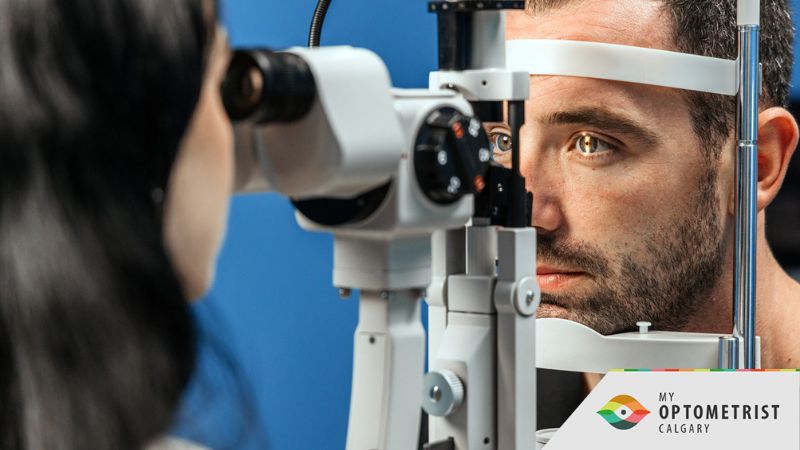
A comprehensive eye exam is an essential part of protecting your vision and maintaining long-term eye health. During the appointment, your optometrist evaluates your visual acuity, checks your eye prescription, and examines the overall health of your eyes to detect potential conditions such as glaucoma, cataracts, macular degeneration, and other eye diseases. Understanding what happens during the exam can help you feel more comfortable and prepared for your visit.
From reviewing your medical history and performing vision tests to assessing eye health with specialized diagnostic equipment, a comprehensive eye exam provides valuable information about both your eyesight and overall eye wellness. Knowing what to expect allows you to take a proactive approach to your vision care and make make informed decisions that help protect your eyesight for years to come while supporting clear, comfortable vision at every stage of life.
WHAT TO EXPECT BEFORE YOUR EYE EXAM
A comprehensive eye exam is one of the most important steps you can take to maintain healthy vision and detect eye conditions before they become more serious. Whether you're visiting an optometrist for your first appointment or scheduling a routine checkup, understanding what happens during the exam can help you feel more comfortable and prepared.
Unlike a basic vision screening, a comprehensive eye exam evaluates much more than your ability to read letters on an eye chart. Your optometrist carefully assesses your visual acuity, eye coordination, focusing ability, prescription needs, and the overall health of your eyes. These evaluations provide valuable information that can identify early signs of eye diseases and other health conditions that may affect your vision.
The appointment usually begins with a discussion about your medical history and any changes you've noticed in your eyesight. Your optometrist may ask questions about blurred vision, headaches, eye strain, dry eyes, floaters, flashes of light, medications, previous eye injuries, and family history of eye disease. This information helps guide the examination and determine whether additional testing may be necessary.
Your lifestyle is also an important part of the conversation. Daily computer use, driving habits, hobbies, sports, and occupational demands can all influence your visual needs. Understanding how you use your eyes allows your optometrist to recommend the most appropriate solutions for your vision.
During the beginning of a comprehensive eye exam, you can generally expect:
- Review of your medical history
- Discussion of current vision concerns
- Family history assessment
- Medication review
- Lifestyle and work-related vision questions
- Previous eye condition evaluation
- Review of current glasses or contact lenses
- Explanation of the examination process
After gathering your health information, your optometrist begins a series of vision tests designed to measure how well your eyes function together. These tests evaluate distance vision, near vision, depth perception, eye movement, focusing ability, and color vision when appropriate.
If you currently wear glasses or contact lenses, your prescription will also be checked to determine whether any changes are needed. Even small prescription adjustments can significantly improve comfort while reading, driving, using digital devices, or performing everyday activities.
Many people are surprised to learn that a comprehensive eye exam may also reveal signs of underlying health conditions. Changes inside the eye can sometimes indicate diabetes, high blood pressure, autoimmune disorders, and other systemic diseases before noticeable symptoms develop elsewhere in the body.
Routine eye examinations become increasingly important as we age because many eye diseases develop gradually without obvious symptoms. Early detection allows treatment to begin sooner, helping preserve vision and reduce the risk of permanent vision loss.
Taking the time to schedule regular eye exams is one of the simplest ways to protect your long-term vision while ensuring your prescription and overall eye health remain up to date.
EYE EXAM TESTS
After your initial consultation, the examination continues with several diagnostic tests that evaluate both your vision and the health of your eyes. Every patient is different, so the exact tests performed may vary depending on your age, medical history, symptoms, and risk factors.
One of the first assessments measures visual acuity using an eye chart. This familiar test determines how clearly you see objects at different distances and helps identify whether corrective lenses are needed or if your current prescription requires updating.
Your optometrist may then perform a refraction test using specialized equipment to determine the precise lens prescription that provides the clearest vision. During this process, you'll compare different lens options while answering the familiar question, "Which is better, one or two?"
Eye muscle function and coordination are also evaluated to ensure both eyes work together properly. These tests help detect problems that may contribute to double vision, eye strain, headaches, or focusing difficulties.
A comprehensive eye exam may include:
- Visual acuity testing
- Refraction and prescription evaluation
- Eye movement assessment
- Peripheral vision testing
- Depth perception testing
- Color vision testing
- Pupil response evaluation
- Eye pressure measurement
Measuring eye pressure is another important component of the examination. Elevated intraocular pressure may indicate an increased risk of glaucoma, a progressive eye disease that can damage the optic nerve if left untreated. Since glaucoma often develops without noticeable symptoms, routine testing plays a critical role in early detection.
Your optometrist will also examine the front structures of your eyes using a slit lamp microscope. This specialized instrument provides a highly magnified view of the cornea, iris, lens, eyelids, and surrounding tissues, allowing your eye care professional to identify infections, inflammation, cataracts, dry eye disease, and other abnormalities.
The retina and optic nerve are equally important parts of the examination. Depending on your individual needs, your optometrist may recommend pupil dilation to obtain a clearer view of the back of your eye. This allows for a thorough assessment of retinal health and helps detect conditions such as diabetic retinopathy, macular degeneration, retinal tears, or optic nerve damage.
Some clinics also use advanced digital retinal imaging to capture detailed photographs of the inside of your eyes. These images provide valuable documentation that allows future comparisons and helps monitor subtle changes over time.
Additional testing may be recommended if symptoms or risk factors suggest further evaluation is necessary. Modern diagnostic technology allows optometrists to detect many eye conditions at their earliest stages, often before noticeable vision changes occur.
Throughout the examination, your optometrist explains the purpose of each test and discusses any findings, ensuring you understand both your current vision and overall eye health.
UNDERSTANDING YOUR RESULTS AND NEXT STEPS
After completing the examination, your optometrist reviews the findings and explains what they mean for your vision and eye health. This discussion is one of the most valuable parts of a comprehensive eye exam because it helps you understand your current eye condition and any recommendations for future care.
If your prescription has changed, your optometrist will explain how updated glasses or contact lenses can improve your vision and reduce symptoms such as headaches, eye strain, or blurred vision. Even minor adjustments can significantly improve visual comfort during everyday activities.
If no changes are needed, you'll gain peace of mind knowing your vision remains stable and your eyes appear healthy. Regular examinations provide valuable baseline information that allows your optometrist to detect future changes more easily.
Your optometrist may also discuss preventive strategies that help maintain healthy vision between appointments. These recommendations often include protecting your eyes from ultraviolet (UV) light, limiting digital eye strain, maintaining a healthy diet, staying hydrated, and scheduling routine follow-up examinations.
Following your exam, your optometrist may recommend:
- Updated glasses or contact lenses
- Annual routine eye exams
- Follow-up appointments if needed
- Dry eye treatment recommendations
- UV protection for outdoor activities
- Computer vision advice
- Additional diagnostic testing
- Referral to a specialist when appropriate
Children, adults, and seniors often have different eye care needs. Younger patients may require monitoring for vision development and learning-related vision concerns, while older adults benefit from regular screening for age-related eye diseases. Your examination schedule will be based on your age, health history, and individual risk factors.
If an eye condition is detected, early treatment can often slow progression and preserve vision. Many common eye diseases develop gradually without noticeable symptoms, making regular examinations one of the most effective ways to identify problems before permanent damage occurs.
Comprehensive eye exams also provide an opportunity to ask questions about your vision, eye comfort, contact lenses, eyewear options, or lifestyle concerns. Open communication helps ensure you receive personalized recommendations that support both your daily activities and long-term eye health.
Your optometrist may also recommend a personalized schedule for future appointments based on your age, prescription, family history, lifestyle, and overall health. Patients with diabetes, high eye pressure, strong prescriptions, or a family history of eye disease may need more frequent monitoring. Following this schedule allows subtle changes to be identified and documented before they begin affecting your vision. It is also helpful to keep a record of your prescription, test results, and treatment recommendations for future reference. By following your optometrist’s advice and attending regular appointments, you can take a proactive role in maintaining comfortable vision, monitoring potential concerns, and protecting your eye health throughout every stage of life.
Maintaining healthy vision requires ongoing care rather than waiting until symptoms appear. Scheduling routine eye examinations allows your optometrist to monitor changes, update your prescription when necessary, and identify potential concerns before they affect your quality of life.
Whether you're experiencing changes in your vision or simply attending your annual appointment, a comprehensive eye exam provides a complete evaluation of your eyesight and eye health. From vision testing and prescription updates to advanced eye disease screening and personalized recommendations, every step of the examination is designed to protect your vision and support lifelong eye health.
FAQ's
Q: HOW LONG DOES A COMPREHENSIVE EYE EXAM TAKE?
A: Most comprehensive eye exams take between 30 and 60 minutes, depending on your age, medical history, vision needs, and whether additional testing or pupil dilation is required.
Q: DO I NEED A COMPREHENSIVE EYE EXAM IF MY VISION SEEMS FINE?
A: Yes. Many eye diseases, including glaucoma and macular degeneration, can develop without noticeable symptoms. Regular comprehensive eye exams help detect these conditions early, when treatment is often most effective.
Q: HOW OFTEN SHOULD I HAVE A COMPREHENSIVE EYE EXAM?
A: The recommended frequency depends on your age, overall health, and risk factors. Many adults benefit from an eye exam every one to two years, while children, seniors, and individuals with certain medical conditions may require more frequent examinations.