Cataracts often develop slowly, which means the first changes can be easy to overlook. Blurry or cloudy vision, increased glare, faded colours, frequent prescription changes, and difficulty seeing at night may all be early cataract symptoms. While these changes can seem minor at first, they may gradually interfere with reading, driving, working, and other daily activities. Paying attention to developing cataract symptoms can help you recognize when it is time to schedule a comprehensive eye exam. Your optometrist can determine whether cataracts are affecting your vision, rule out other eye conditions that may cause similar changes, and document how your eyesight develops over time. They can also assess whether updated glasses, improved lighting, anti-glare lenses, or other practical adjustments may help you manage your vision during the earlier stages. As cataracts progress, your optometrist can explain how they may affect reading, driving, depth perception, colour clarity, and daily independence. Regular monitoring can show when vision changes may require a cataract surgery referral. Routine eye exams help you understand your options and next steps.
HOW DO CATARACTS BEGIN TO AFFECT YOUR VISION?
Cataracts develop when the normally clear lens inside the eye becomes cloudy. The lens helps focus light onto the retina, allowing the brain to form a clear image. As the lens changes, light may scatter instead of passing through cleanly. These changes usually happen gradually, so many people adjust without realizing how much their vision has changed.
Early cataract symptoms may be mild and may affect one eye more than the other. You might notice that your glasses no longer provide the same clarity, even after a recent prescription update. Objects may appear slightly hazy, printed words may require more light, or distant details may seem less sharp. Because these changes are gradual, they are sometimes blamed on tired eyes, aging, or an outdated prescription.
Common early changes include:
- Blurriness
- Glare
- Halos
- Faded colours
- Dim vision
- Double vision
- Prescription changes
Night vision problems are often among the first cataract symptoms people notice. Driving after dark may become more difficult because headlights create glare, road signs are harder to read, and contrast is reduced. A person may still see reasonably well during the day but feel less confident at dusk, in rain, or on poorly lit roads.
Colour changes can be especially easy to miss. Cataracts may slowly make whites appear cream or yellow and reduce the difference between similar shades. Since the change happens over time, the brain often adapts. You may not notice until you compare colours under brighter light or realize that clothing, photographs, or familiar surroundings look less vibrant.
Some people experience temporary improvement in close vision as the lens changes. This does not mean the eye is healthier, and increasing blur may follow.
The pace of cataract development can vary from person to person. Some cataracts change slowly over several years, while others progress more quickly. Age, diabetes, previous eye injuries, certain medications, smoking, and long-term ultraviolet exposure may influence risk. Even when symptoms seem manageable, regular exams are important because gradual changes are not always obvious in daily life.
Not every visual change is caused by cataracts. Dry eye, glaucoma, retinal conditions, diabetes-related eye disease, and prescription changes can produce overlapping symptoms. That is why self-diagnosis based on blur or glare alone is unreliable. A comprehensive eye exam can identify the source of the change and determine whether cataracts are present.
WHEN SHOULD CATARACT SYMPTOMS BECOME A SERIOUS CONCERN?
Cataracts do not always require immediate treatment when they are first detected. In the earlier stages, updated glasses, stronger lighting, anti-glare coatings, magnification, and small changes to daily routines may provide enough support. The more important question is whether the vision changes are beginning to interfere with safety, independence, comfort, or quality of life.
Pay attention when ordinary activities become harder. You may move reading material closer, increase the brightness on screens, avoid driving at night, or struggle to recognize faces from a distance. Some people begin missing steps or curbs because reduced contrast makes edges harder to distinguish. Others stop enjoying hobbies such as sewing, cooking, woodworking, golfing, or reading because fine details are less visible.
Vision may also change differently depending on the type and location of the cataract. Some people notice glare and halos first, while others experience reduced sharpness, faded colours, or difficulty seeing in low light. Symptoms may also fluctuate under different lighting conditions. Keeping notes about when problems occur can give your optometrist useful information during the examination.
Signs that an exam should be scheduled include:
- Reading difficulty
- Night driving
- Screen strain
- Facial recognition
- Poor contrast
- Brighter lighting
- Frequent prescription changes
Sudden vision loss, flashes of light, a new shower of floaters, severe eye pain, significant redness, or a dark curtain across your vision are not typical gradual cataract symptoms. These changes may indicate another eye problem that requires urgent assessment. Contact an optometrist or emergency eye care provider promptly rather than waiting for a routine appointment.
The right time to seek help is not based on reaching a specific level of blur. If your vision feels different, limits an activity, or makes you less confident, an assessment is appropriate. Early evaluation creates a baseline, rules out other causes, and gives you a clearer understanding of what to expect.
HOW CAN AN EYE EXAM HELP WITH CATARACTS?
A comprehensive eye exam does more than confirm whether the lens appears cloudy. Your optometrist will ask about the changes you have noticed, when they began, whether one or both eyes are affected, and which activities have become difficult. These details help connect the clinical findings to the effect on your everyday life.
The appointment may include:
- Visual acuity
- Refraction
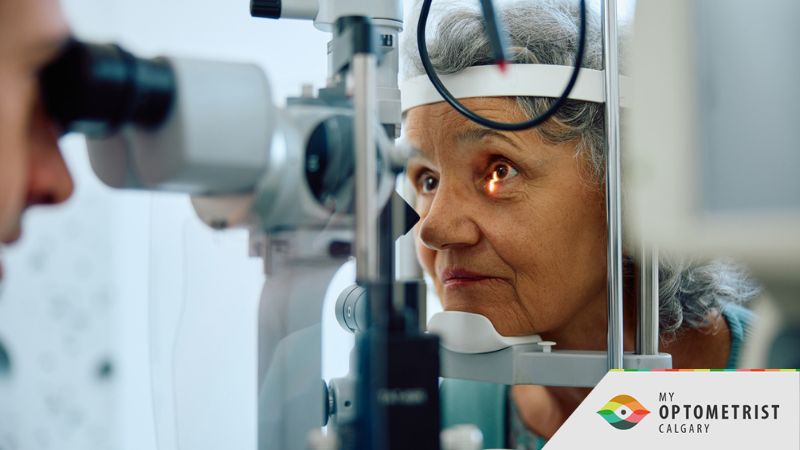
- Slit-lamp exam
- Dilation
- Pressure testing
- Retinal imaging
The exam can also reveal whether another condition is contributing to the symptoms. A person may have cataracts along with dry eye, macular degeneration, glaucoma, or diabetic retinopathy. Treating or monitoring each issue appropriately is important because removing a cataract may not address every source of reduced vision.
When a cataract is mild, the optometrist may recommend practical adjustments. A revised prescription can sharpen vision when the lens still allows enough light through. Brighter task lighting may improve reading and detailed work. Anti-reflective lenses, sunglasses, and avoiding heavily scratched glasses can reduce discomfort from glare. These strategies do not remove the cataract, but they may make daily activities easier while changes are monitored.
Regular follow-up appointments allow the optometrist to compare vision, lens clarity, and daily function over time. The schedule depends on the cataract, your overall eye health, and how quickly symptoms are changing. Keeping track of activities that have become harder can also help. Useful examples include difficulty reading road signs, recognizing faces, judging steps, or completing work safely.
Cataract surgery may be considered when the cloudy lens prevents you from doing important activities and glasses no longer provide enough improvement. During surgery, the cloudy natural lens is removed and replaced with an artificial lens. Your optometrist can discuss whether your symptoms and examination findings support a referral to an ophthalmologist for further evaluation.
A referral does not automatically mean surgery must happen immediately. It provides an opportunity to discuss expected benefits, lens options, health considerations, and the timing that best matches your needs. The decision is based largely on how much the cataract affects your life, not simply whether clouding is visible.
Protecting your overall eye health remains important while cataracts are being monitored. Wear sunglasses that block ultraviolet rays, manage health conditions such as diabetes, avoid smoking, and use appropriate lighting for detailed tasks. These steps cannot reverse an existing cataract, but they can support safer, more comfortable vision. Continue attending scheduled eye exams even when symptoms appear stable, since testing may detect changes before they become obvious. This ongoing care helps you respond confidently as your visual needs change.
Do not wait until your vision becomes severely limited before mentioning changes. Early cataract symptoms can be subtle, but they still provide valuable information about your eye health. Routine eye exams can document progression, identify other conditions, and help you plan ahead. When blur, glare, faded colours, or night vision problems begin affecting daily life, schedule an assessment and explain exactly what you are experiencing.
FAQ's:
Q: CAN CATARACTS DEVELOP WITHOUT NOTICE?
A: Yes. Cataracts usually develop gradually, so the earliest changes may be difficult to recognize. Your brain may adapt to mild blur, reduced contrast, faded colours, or changing brightness. Regular comprehensive eye exams can detect lens changes before they begin significantly interfering with everyday activities.
Q: CAN GLASSES CORRECT CATARACT SYMPTOMS?
A: Updated glasses may improve vision during the earlier stages of cataract development. Brighter lighting, anti-reflective lenses, and sunglasses may also reduce certain difficulties. However, glasses cannot remove the cloudy area within the lens. As the cataract progresses, prescription updates may provide less improvement.
Q: WHEN SHOULD CATARACT SURGERY BE CONSIDERED?
A: Cataract surgery may be considered when reduced vision begins interfering with driving, reading, working, hobbies, or personal independence and glasses no longer provide enough improvement. Your optometrist can monitor the cataract and refer you to an ophthalmologist when further assessment is appropriate.