Dry eye can become more than an occasional irritation when symptoms such as burning, redness, blurred vision, or a gritty sensation begin affecting daily life. While artificial tears may offer temporary relief, long-term improvement often depends on identifying the underlying cause. Dry Eye Treatment options can include lubricating drops, prescription therapies, warm compresses, eyelid care, lifestyle changes, and in-office treatments designed to improve tear quality and comfort. With the right approach, treatment can help reduce recurring irritation, support a healthier tear film, and make everyday activities such as reading, working on screens, or wearing contact lenses more comfortable. A personalized treatment plan can also help address the specific factors contributing to dry eye symptoms and provide more consistent, long-term relief. Ongoing care may also help prevent symptoms from becoming more disruptive over time by managing inflammation, improving tear stability, and supporting the glands responsible for healthy tear production. Follow-ups monitor progress and adjust treatment for lasting comfort.
WHY DRY EYE PERSISTS
Dry eye is often treated like a temporary inconvenience, but recurring symptoms usually point to a problem with the tear film or the structures that help keep the eyes lubricated. Healthy tears contain water, oils, and other components that work together to protect the surface of the eye. When the eyes do not produce enough tears, or when tears evaporate too quickly, burning, stinging, redness, fluctuating vision, and a gritty sensation can develop.
There are two broad patterns of dry eye. Aqueous-deficient dry eye occurs when the eyes do not produce enough of the watery portion of tears. Evaporative dry eye is often associated with problems involving the meibomian glands, which produce oils that slow tear evaporation. Many people can have features of both types, which is one reason a single over-the-counter product may not provide lasting relief. My Optometrist Calgary identifies both aqueous-deficient and evaporative dry eye as major categories of dry eye syndrome.
Several factors can contribute to recurring symptoms. Screen use can reduce how often or how completely a person blinks, allowing tears to evaporate faster. Contact lens wear may increase discomfort for some patients, while dry indoor air, wind, air conditioning, and seasonal conditions can make symptoms more noticeable. Hormonal changes, certain medications, eyelid inflammation, and some health conditions may also affect tear production or tear quality.
Because dry eye has different causes, effective Dry Eye Treatment begins with an assessment rather than simply adding more eye drops. An optometrist may review symptoms, medications, contact lens habits, medical history, eyelid health, tear stability, and the condition of the meibomian glands. My Optometrist Calgary notes that its dry eye assessment can include questionnaires, eyelid evaluation, and imaging of meibomian gland structure and function.
This information helps determine whether the main issue is insufficient tear production, excessive evaporation, inflammation, gland blockage, or a combination of factors. Identifying the source makes it easier to select treatments that target the reason symptoms keep returning instead of only masking discomfort for a short period.
TREATMENT OPTIONS
The right Dry Eye Treatment can look very different from one patient to another. Mild cases may respond well to changes in daily habits and consistent home care, while persistent or more complex cases may require prescription medication or in-office therapy. The goal is not simply to make the eyes feel wetter for a few minutes. Treatment should support a more stable tear film, reduce irritation, and address factors that are contributing to ongoing symptoms.
Common options may include:
- Drops
- Ointments
- Compresses
- Cleansing
- Plugs
- BlephEx
- RF
- IPL
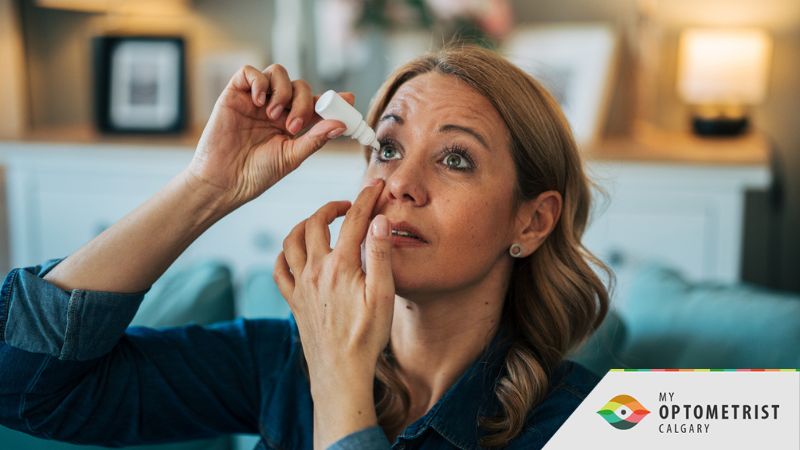
Lubricating eye drops can replace moisture and provide relief when natural tears are insufficient. Some patients benefit from thicker gels or ointments, particularly when symptoms are worse at night. However, the type and frequency of drops matter. An optometrist can recommend products that suit the patient’s symptoms, lifestyle, and ocular surface rather than relying on trial and error.
Warm compresses and eyelid hygiene may be useful when blocked or poorly functioning meibomian glands are involved. Gentle heat can help soften thickened oils, while proper eyelid cleansing can remove debris around the lashes and support a healthier lid margin. These approaches often require consistency, so following the recommended routine is important for long-term improvement.
Prescription anti-inflammatory eye drops may be considered when inflammation is contributing to dry eye. Punctal plugs are another option for selected patients. These small devices reduce tear drainage, helping natural or supplemental tears remain on the eye longer. My Optometrist Calgary also lists BlephEx, an in-office eyelid cleaning procedure, among its available dry eye treatments.
For patients with evaporative dry eye or meibomian gland dysfunction, energy-based treatments may be recommended. My Optometrist Calgary offers Forma radiofrequency and Lumecca intense pulsed light as part of its advanced dry eye services. The clinic describes Forma RF as using controlled radiofrequency energy to help improve oil flow from obstructed meibomian glands, while Lumecca IPL uses controlled light pulses and may help reduce inflammation around the eyelid area.
Not every patient needs advanced treatment. The value of a professional assessment is that Dry Eye Treatment can be matched to the cause, severity, and pattern of symptoms. In some cases, several approaches are combined because dry eye often involves more than one contributing factor.
LONG-TERM RELIEF
Long-term relief usually comes from treating dry eye as an ongoing eye health issue rather than waiting until symptoms become uncomfortable. Even when a treatment works well, daily habits and environmental factors can continue to affect tear quality. A maintenance plan can help protect the progress made through treatment and reduce the frequency or intensity of flare-ups.
One of the simplest strategies is improving screen habits. People tend to blink less while concentrating on computers, phones, or tablets. Taking regular visual breaks and making a conscious effort to blink fully can help refresh the tear film. Positioning screens slightly below eye level may also reduce how widely the eyes remain open, which can limit evaporation.
Environmental changes can make a difference as well. A humidifier may help in dry indoor spaces, while avoiding direct airflow from fans, heaters, or air conditioning can reduce evaporation. Wearing sunglasses outdoors can help protect the eyes from wind. Contact lens users may also need adjustments to their lenses, wearing schedule, or cleaning routine if dryness is interfering with comfort.
Daily routines can also influence how well a treatment plan works. Staying hydrated, getting enough sleep, and using medications exactly as directed can support comfort, although these steps do not replace professional care. Patients should also mention new medications or health changes during appointments because some factors can affect tear production. For people who wear eye makeup, keeping the eyelid area clean and removing products thoroughly may help reduce buildup around the lashes. Small adjustments may seem simple, but when they are combined with targeted treatment, they can support more dependable results over time.
Consistency is especially important with compresses, eyelid care, prescription drops, or other therapies. Stopping treatment as soon as symptoms improve may allow the original problem to return. Patients should follow the plan recommended by their optometrist and attend follow-up appointments so progress can be monitored. Treatment can then be adjusted if symptoms, lifestyle, or eye health changes.
It is also important to recognize that watery eyes can still be a sign of dryness. Irritated eyes may respond by producing reflex tears, but these tears do not always have the balanced composition needed for lasting lubrication. This is why persistent watering, burning, fluctuating vision, redness, or discomfort deserves proper evaluation rather than assuming the eyes are producing enough moisture.
Professional Dry Eye Treatment can combine symptom relief with care that addresses the tear film, eyelids, meibomian glands, and inflammation when appropriate. My Optometrist Calgary offers traditional treatments as well as advanced options such as Forma RF and Lumecca IPL, with treatment plans tailored to the individual assessment.
If dry eye is affecting reading, screen use, driving, contact lens wear, or everyday comfort, an eye examination can help determine why symptoms are continuing. The most effective approach is often the one designed around the specific cause of dryness. With consistent care, appropriate treatment, and regular monitoring, many patients can achieve better day-to-day comfort and a more stable ocular surface over time.
FAQ's:
Q: CAN DRY EYE BE TREATED LONG TERM?
A: Yes. Long-term dry eye care often combines symptom management with treatment aimed at the underlying cause. Depending on what is contributing to dryness, an optometrist may recommend eye drops, eyelid care, prescription treatments, lifestyle changes, or advanced in-office therapies.
Q: ARE EYE DROPS ENOUGH FOR DRY EYE?
A: Eye drops can provide valuable relief, but they may not address every cause of dry eye. If symptoms continue despite regular use, a dry eye assessment can help determine whether inflammation, tear evaporation, eyelid problems, or meibomian gland dysfunction may require additional treatment.
Q: WHEN SHOULD I SEE AN OPTOMETRIST FOR DRY EYE?
A: Consider booking an appointment if dryness, burning, redness, watering, blurry vision, or gritty sensations continue regularly or interfere with everyday activities. An optometrist can assess the tear film and eye surface and recommend a Dry Eye Treatment plan based on the cause and severity of your symptoms.